
Pharr, TX
Pharr, TX Life Insurance Options That Start With the Why
Before any policy comes up, it helps to know what the money is for: lost income, a mortgage, children's costs or a funeral. Answer a few short questions through our short form, and you will hear back with term life, whole life or final expense options, wherever you live in Pharr, McAllen or San Juan.
- Term, whole life, final expense
- Your answers, sent once
- Free, with no obligation
- Need first, policy second
Coverage options for Pharr families
Answer six short questions and a licensed agent will follow up with options that fit your situation.
- Takes about two minutes
- No obligation to buy
- Your details stay private
Free, no obligation
See your coverage options
Six short questions. About two minutes.
Where We Put People in Touch
We link people in Pharr with agents, and the same goes for McAllen, San Juan, Alamo, Hidalgo, Mission and Donna. Wherever you live, it works one way: a single set of questions, one follow-up and as much time as you want before deciding.
- Pharr
- McAllen
- San Juan
- Alamo
- Hidalgo
- North Alamo
- South Alamo
- Mission
- Donna
- Murillo
- Scissors
North Alamo, South Alamo, Murillo and Scissors are included as well. The Service Areas page names each town.
Three Kinds of Policy, Each With Its Own Job
Term life covers you for a fixed stretch of years, then stops, so people often match it to a need that also ends, like a home loan or the years children live at home. Whole life stays in force for as long as you live and builds cash value; the agent who reaches out can walk you through how that part works. Final expense is a smaller whole life policy sized for funeral costs. Each kind has its own page if you'd like to read more before you begin.
Term Life Insurance
Cover for a set number of years, with the length and amount worked out from what the money would actually need to pay for.
Whole Life Insurance
Coverage meant to last your whole life, with a cash value feature. Learn how it works and what to ask before you choose a policy.
Final Expense Insurance
A small whole life policy meant to cover a funeral and the last bills, so your family isn't left covering those costs.
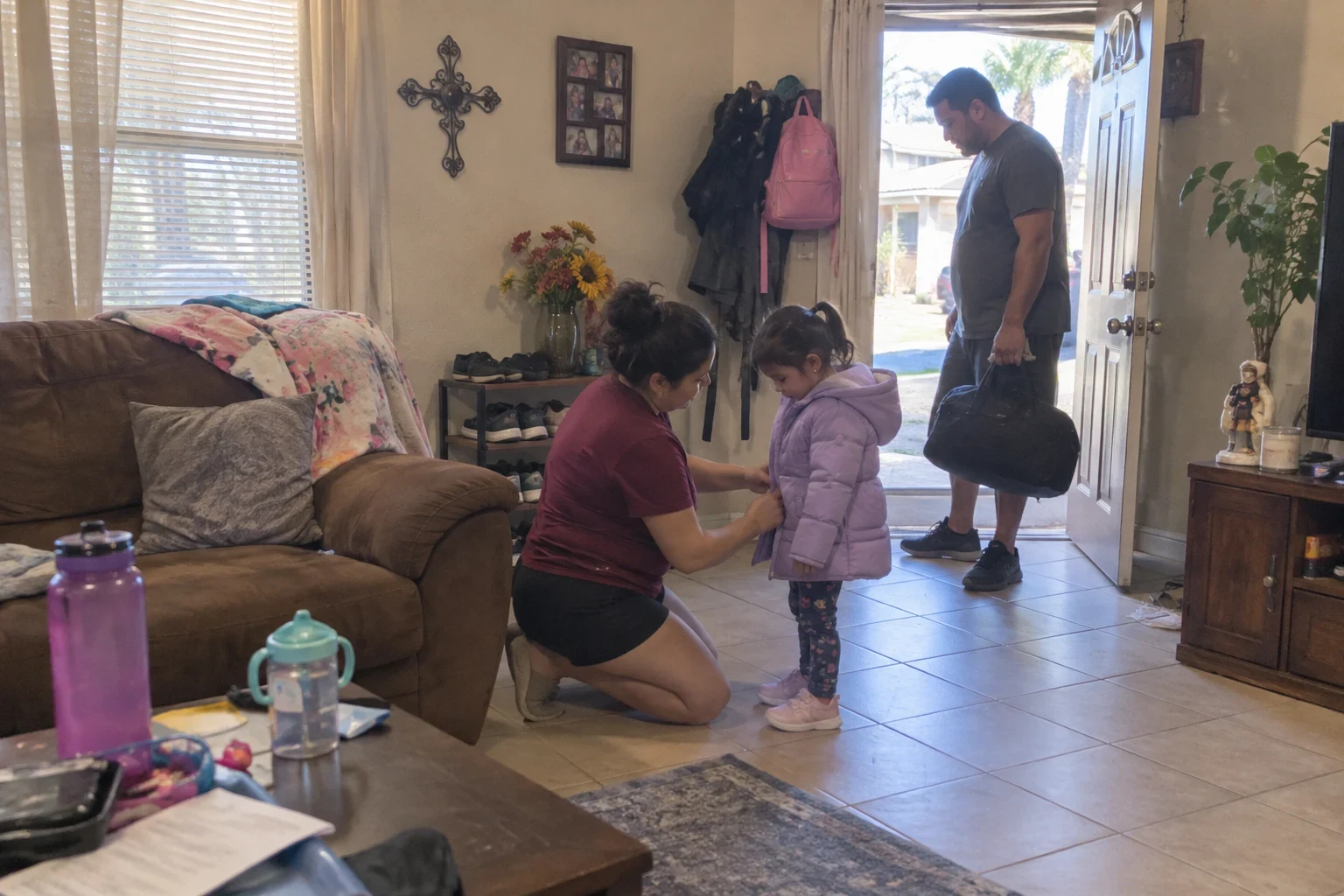
What Moves the Price of a Policy
No one can name a real price until an insurer reviews your application. The insurance company sets the price and decides on coverage and approval; we don't. These are the facts it usually leans on, so the number makes sense when it arrives.
The agent who reaches out can go over how each factor applies to you. Actual figures come only from the insurer once it has your details.
- Age when the policy starts
- Coverage that begins at a younger age usually costs less for the same amount. What generally counts is your age on the day the policy takes effect.
- Health history
- Past and current health conditions play into the price. They can also narrow or open up the kinds of policy an insurer is willing to offer.
- Tobacco
- People who smoke or use other tobacco usually pay noticeably more. Every application asks about it, so an honest answer at the start saves trouble later.
- The size of the payout
- The more a policy would pay out, the more it costs to keep. This is the one factor you control outright, which is why it helps to know what the money has to cover.
- How many years of term
- With term life, a longer stretch usually costs more than a shorter one for the same payout. Plenty of people line the length up with the need, like the years left on a home loan.
- Which kind you choose
- Policies that last for life, like whole life and final expense, generally cost more per dollar of coverage than term life, because term stops after a set period.
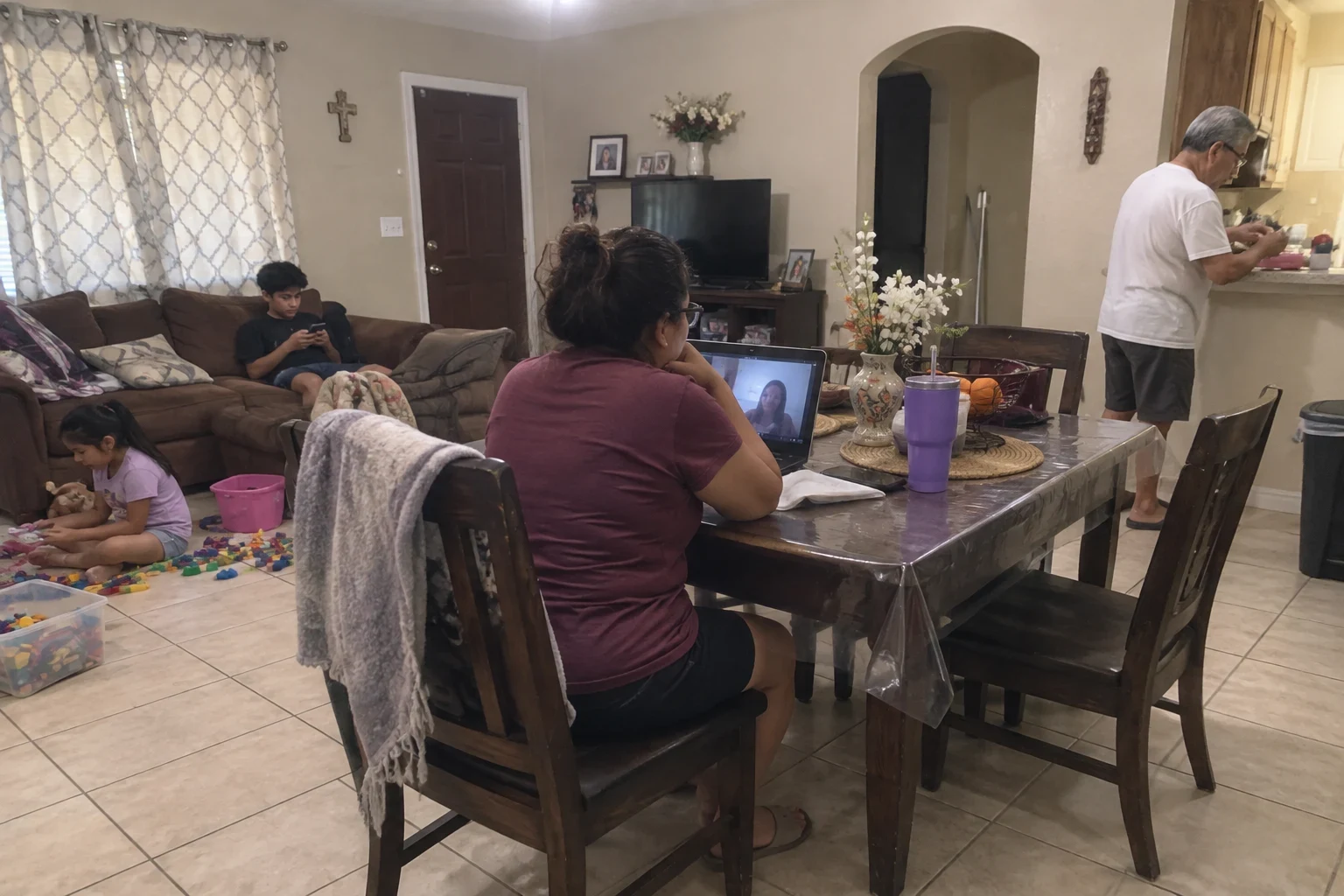
What Life Insurance Pharr Is
Life Insurance Pharr is a free service. We connect you with a licensed life insurance agent in Texas, and that is all we do. We are not an insurance company, and we are not an agent. We don't sell a policy, set a price or pick one for you.
Our part is the first step. You answer a few questions, your details go to an agent who works your area, and the talk starts with what the money is for, not a sales script. Whether you end up with a policy, or none at all, stays your decision.
How Applying Usually Goes
This is the usual route from your first answers to a policy you hold. How long it takes depends on the insurer and the policy.
- 1
Send a few answers
Use our short form to share your state, a rough coverage amount, marital status, your beneficiary's name and your date of birth, plus your name and how to reach you. Most people are done in about two minutes.
- 2
A licensed agent gets in touch
An agent licensed in Texas who works your town reaches out. You go over what the coverage needs to do, and the agent sets out options aimed at that purpose.
- 3
Health questions, maybe an exam
Expect questions about your health and tobacco use. Some policies add a medical exam. Policies without an exam exist too, and they usually cost more or pay less.
- 4
The insurer decides, then you review
The insurance company looks over the application and gives its answer. Once a policy is approved, you have a free-look period of at least 10 days to change your mind, hand it back and have your money returned. The exact number of days is written in the policy.

Questions People Ask First
How much life insurance do people usually buy?
One rule of thumb people use is several years of income added to what they owe. Treat it as a rough rule, not advice for you. Here is an example using Census figures: the median household income in Pharr is $49,884, and the median home value there is $111,500. By that rule of thumb, a household near those figures would start from several years of that income, then add what's left on the home loan and any other debts.
Why do people buy life insurance at all?
Most buy it to replace a paycheck that would stop, pay off a home loan, cover what children will need, handle funeral costs or leave money to family. Usually one or two of these matter most. Knowing which ones apply to you is the best first step before looking at any policy.
Does the beneficiary pay tax on the payout?
Under federal law, money that goes to a person named on the policy generally isn't counted as taxable income. Your own circumstances can change the picture, so ask a tax adviser about your case. Spelling out the beneficiary's name clearly is part of setting the policy up.
Am I committed to anything once I send my answers?
No. There is no obligation to buy. You can listen to the options, ask what you like and decide later, or say no. Your answers only open a conversation.
What if I can't tell which kind of policy fits?
Most people start there. Think about what the money should do and how long the need will last. A need with an end date, like a home loan, often points people toward term life. A need that stays, like funeral costs, often points them to whole life or final expense, and the agent you hear from can talk it over with you.
When do people tend to look into coverage?
Often when life shifts: a new home, a baby, a job change or a debt paid off. Because an insurer weighs age and health, some people prefer not to wait. The right time is whenever it fits your own plans.
How We Go About It
A policy works best when it's bought for a reason you can name. We start with that reason and leave the policy talk for later.
Reason first, policy second
The first questions ask who counts on your income and what you'd want settled. A policy bought for the wrong job can run high and still leave something uncovered. Pinning down the job keeps the options aimed at the right target.
Your details, shared one time
You give the basics once: where you live, a rough coverage figure, your birth date and the person you'd want to receive the money. The agent picks up from there, so you never start over.
Room to think
Read, sleep on it and talk it over at home. Nothing on these pages asks you to buy, and the options you hear are yours to weigh whenever it suits you.
Words explained as they come up
Beneficiary, term, cash value. Each one gets a plain meaning the first time you see it, so you know what you're weighing before you agree to anything.

Name the Need, Then Look at Options
Make a short list of the people who count on you and the bills you'd want handled. Take that list to our short form, and the options that come back will be built around it.